

One Stage – The Health Committee Symposium
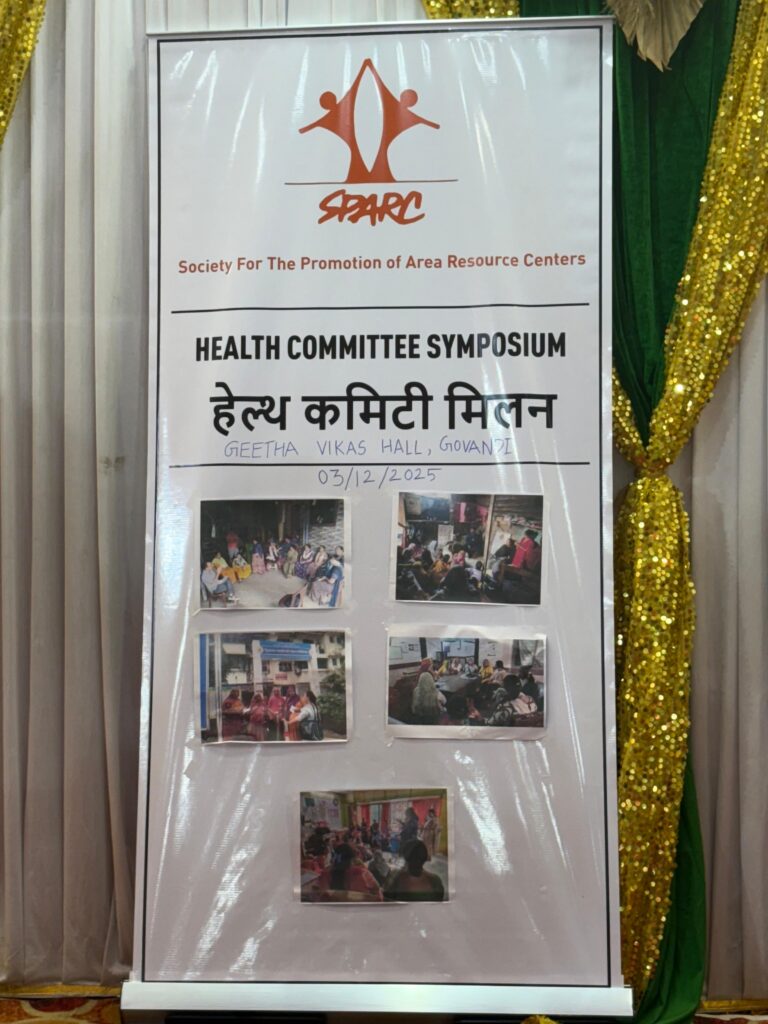
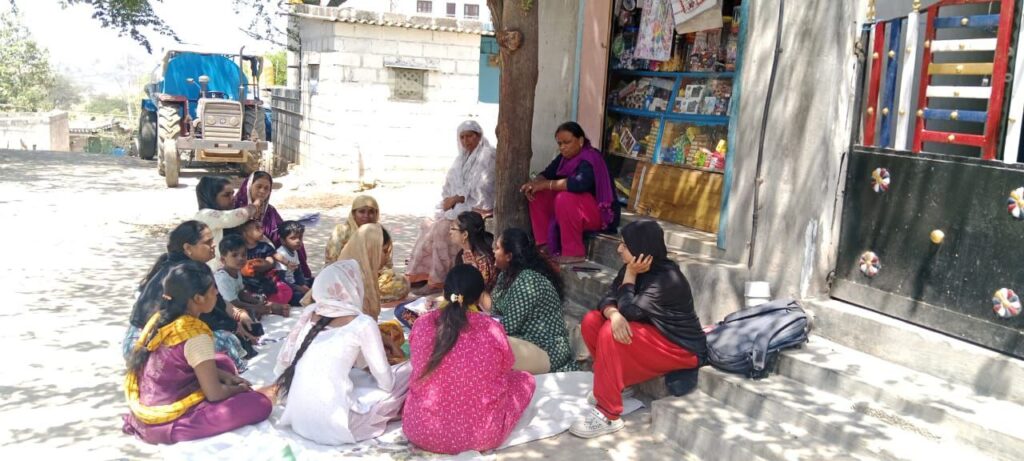
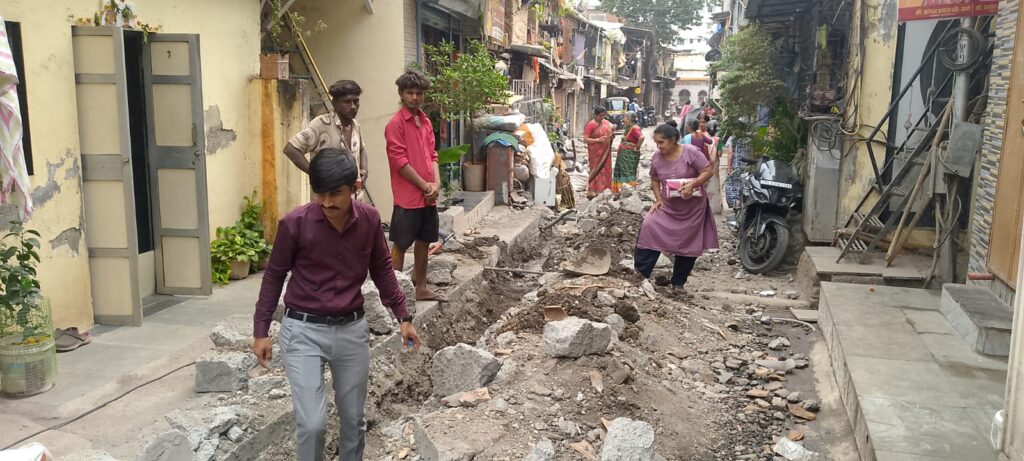
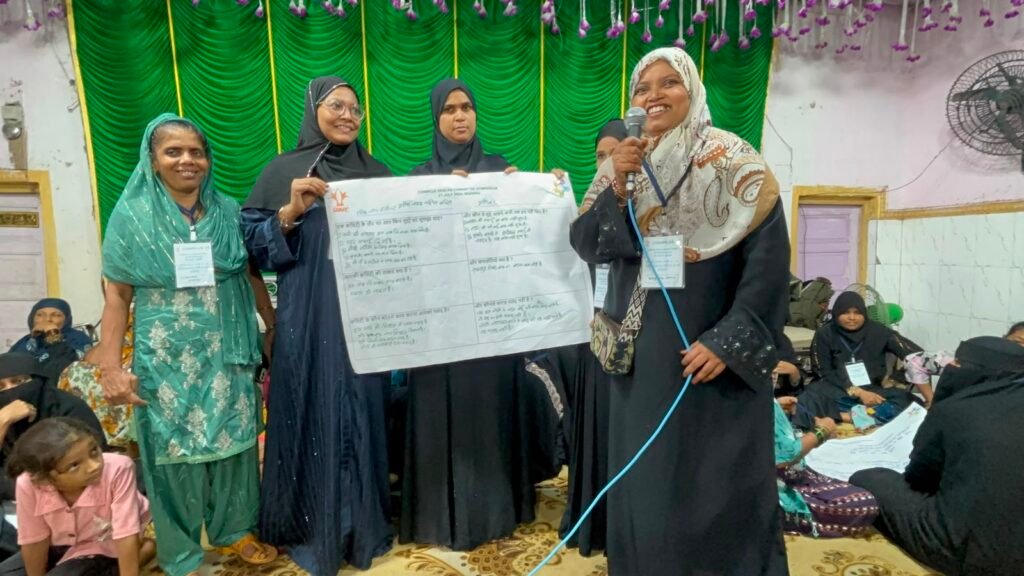
Bismillah Committee from Rafi Nagar By SPARC. On 21 July 2026, women members from 14 health committees across Mumbai came together for a symposium. This was not a routine meeting. It was a chance for committees that usually work alone in their own settlements to come together and hear from each other. Every participant was a woman. Every committee represented was a women-led health committee set up by the COMPLUS project. Between 150 and 170 people attended. For many women, this was the first time they stood on a stage and spoke in front of others. Some had never addressed a group outside their own neighborhood before. Speaking that day was, for them, as significant as anything discussed on the agenda. Six Questions, One Format To make the conversations flow, each committee was asked to discuss and present their summary on the 6 questions below: Which issues has the committee resolved as a collective? Which issues remain unresolved? What are the committee’s strengths? What are the committee’s weaknesses? As a part of the committee’s tasks, which tasks do the members enjoy doing? Which tasks do the members not enjoy doing? After a brief discussion among their fellow committee members, they reported back as answers to this question. Committee members discussing and m making notes The answers covered a wide range of community health work. On actions that they were successful with, the committees spoke about the work they are doing around running medical camps, helping families with ration cards and Aadhaar documentation, seeking and following up on cleaning drains and nullahs in their settlements, organising BP and blood-sugar check-up camps, and supporting children’s education and school enrolment. Several committees mentioned their work on de-addiction (Nasha Mukti), and resolving issues around water supply and sanitation. The committees discussed unresolved issues too. Common issues included difficulty in getting timely hospital access, inadequate water and electricity supply, safety issues emerging from loitering drug addicts, and children dropping out of school due to various reasons. It was heartening to see that the committees did not just describe their achievements but also listed issues that they want to resolve but are not yet fully resolved. When asked about their strengths as a committee, most committees pointed to unity among their members. Words like “ekta” (unity) and “working together as one” came up repeatedly. While describing their weaknesses as a committee, issues such as uneven participation among members, many women members being unable to give adequate time for the work, poor documentation of their work, and a general inability to address issues of every household in need. When asked which part of their work as a health committee do the members enjoy, health camps and Blood Pressure check-ups were the most common answer. Visiting neighbours’ homes and helping them with documentation and applications for their ID cards ranked second. The committee members did not shy away from presenting which parts of the work they did as a health committee they did not enjoy. Many reported being accused of being ‘paid to broker’ community work, that the members stood to gain personally from the work they were engaging into and other accusations. Often, there is a general imagery of the work being seen as being ‘political’ and the women want to safeguard their committee work from taking on any political color. Learning From Each Other As a follow-up to the previous symposium in December, the committees were asked one more question. “Having listened to all the members and fellow committees, which committee would you want to meet more often, exchange notes and learn from them?” The committee members clearly had their favourites, which were largely based on committees that have resolved a common issue, or are still struggling with finding a solution to it. Stories Behind the Numbers – what did the committees speak about! Aadarsh Nagar Swabhiman Committee spoke about getting a long-pending road-lighting problem fixed and arranging for a local drain to be cleaned and resealed. They still want CCTV cameras installed in their area for safety, and that request remains open. Ram and Krishna Mahila Arogya committee gave a numbered account of their work: a household dispute mediated, a documentation case resolved, and a resident helped with a health referral. They also listed their unresolved tasks: an unresolved land dispute, an ongoing family conflict, limited resources, and irregular attendance of fellow committee members at the committee meetings. Bismillah Mahila Health Committee, Rafiq Nagar, described how they felt they now have a better ‘image’ and identity at the ward or the health post that they have now visited several times to meet the officials. They spoke about how they are enjoying measuring blood pressure of fellow residents, monitoring growth of children and speaking to their parents about child nutrition. The committee did express their inability to still resolve their water issues completely, but are happy that it has seen some progress over time. While they complained about poor participation of fellow committee members in addressing the issues they face, they also acknowledged that many women have chores around their children’s school and studies and cannot contribute time and effort. Gareeb Nawaz Mahila Committee, Rafiq Nagar listed five separate achievements from resolving a water-supply issue to supporting malnourished children and monitoring roughly half the area’s BP patients. They were equally direct about what frustrates them: people bringing problems to the committee without enough context, and residents who do not turn up for the very awareness activities organised for their benefit. Saksham Mahila Committee, with more than 14 women members, said their real strength shows when something big is at stake; the whole group stands united. They also noted a quieter achievement: over the years, many of their members have gained real work experience through opportunities connected to the committee. Their unresolved concern was school dropouts; a problem they have not yet found a way to address. Several committees, including Uzma Power Health Vikas Committee and Saksham Mahila Committee, clearly shared that they avoid anything political.
One Stage – The Health Committee Symposium Read More »